Rejuv Park
Project Type:
Thesis
City:
San Diego
School:
NSA+D
Year:
2014
Contribution:
Author
This study examines why urban landfills are underutilized as energy resources by analyzing the technical, political, and social barriers involved. It explores landfill gas–to–energy technologies and proposes a design solution that repurposes a city landfill for power generation, environmental benefit, and community use.
Software used:



//Problem
Global warming is accelerating due to increased greenhouse gas emissions from growing energy demands and continued reliance on fossil fuels. These emissions trap heat in Earth’s atmosphere, raising global temperatures. However, methane produced by local landfills can be captured and converted into clean energy capable of powering thousands of homes, yet this resource remains underutilized in the United States despite its efficiency and proximity to cities.


//Programming
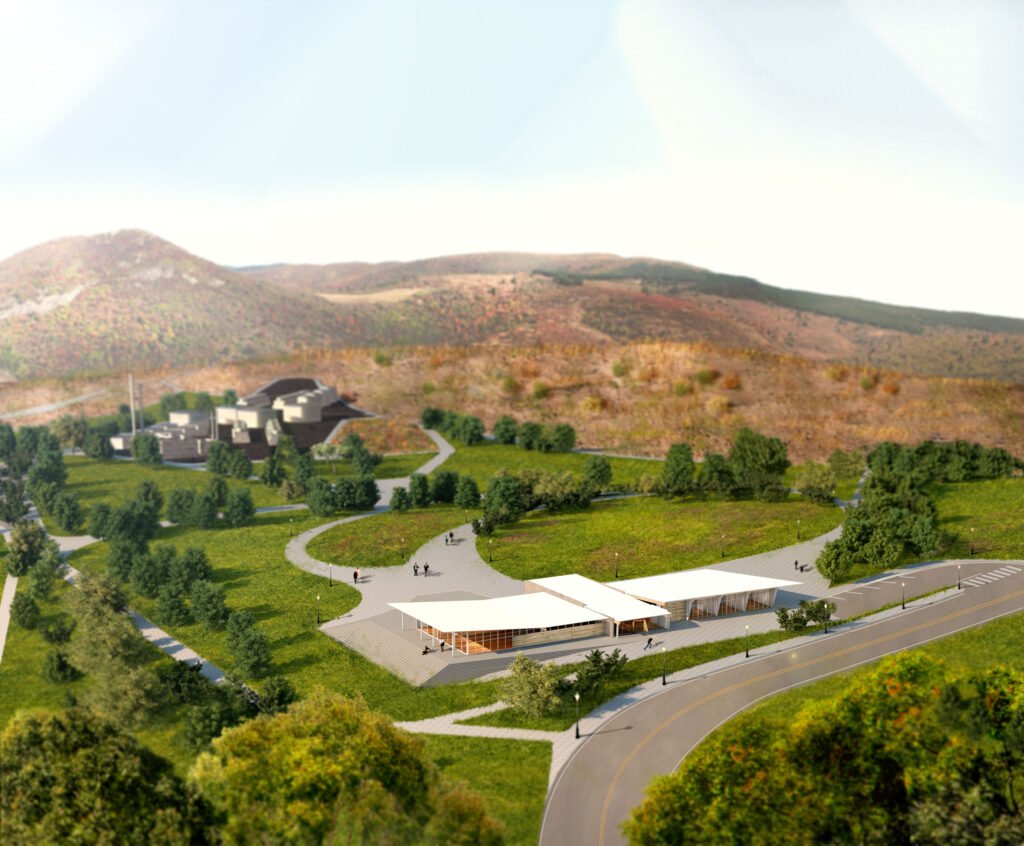
The site is located within Balboa Park, one of San Diego’s most visited destinations, attracting millions annually through the San Diego Zoo and the Prado. Positioned across the canyon from the Prado, the closed landfill has remained largely unused since the 1970s but continues to generate significant methane from nearly 2 million tons of buried waste, making it an EPA-identified candidate for landfill gas–to–energy production. This project proposes transforming the site into a combined park and energy facility that completes the park’s network while prioritizing community space and public events.


//Solution
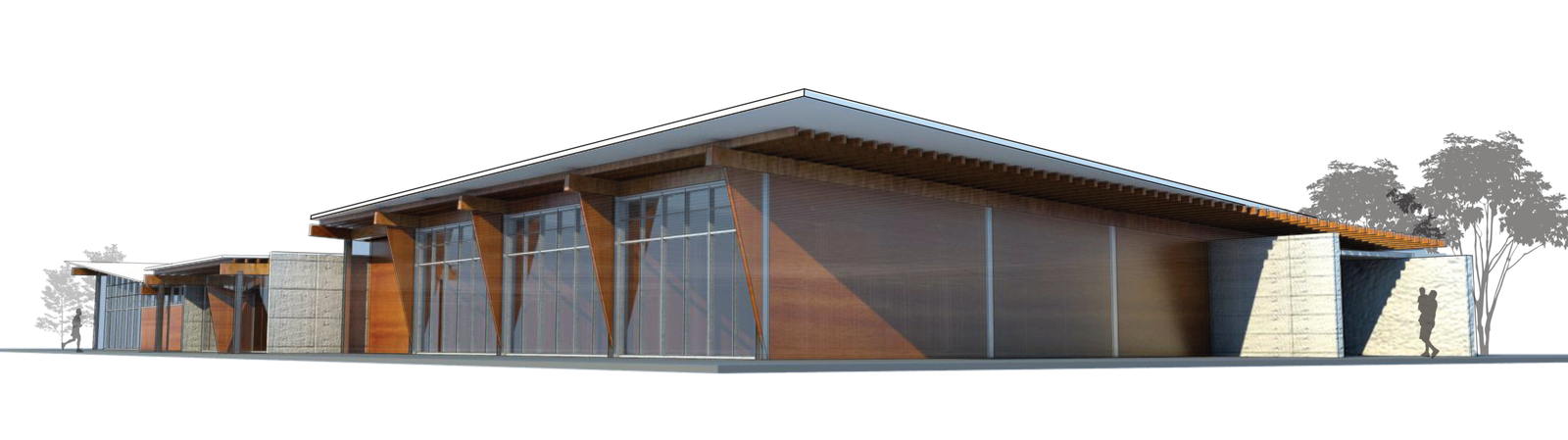
The building program includes four components: a gym, event space, classrooms, and offices. The gym and aerobic areas are positioned on the west side to take advantage of evening light and canyon views, with the lobby acting as the central spine connecting all spaces. Event areas open to the park and trails for public gatherings, while offices and classrooms support staff functions and environmental education.